
Eco-Friendly Office Furniture That Actually Looks Good
Why Eco-Conscious Furniture Matters for Your Home Office in 2026
Eco-conscious furniture is furniture made from sustainable, non-toxic materials — designed to last, reduce waste, and protect your health at home or at work.
Quick answer: What makes furniture eco-conscious?
- Made from sustainable materials like reclaimed wood, bamboo, hemp, or recycled fabrics
- Uses non-toxic, low-VOC finishes that don’t pollute your indoor air
- Carries verified certifications like FSC, GREENGUARD Gold, or Cradle to Cradle
- Built to last for decades — not replaced every few years
- Designed to be repaired, adapted, or recycled instead of thrown away
Here’s something worth pausing on: according to the EPA, the average American spends 90 percent of their time indoors. That means the materials inside your home and office aren’t just a style choice — they’re a health choice.
And if your workspace feels disorganized or draining, the furniture you choose plays a bigger role than most people realize. The right setup — built from honest materials, designed to endure — can quietly support better focus, better air quality, and a more intentional daily routine.
This guide breaks down everything you need to know to make smart, sustainable choices without sacrificing style or blowing your budget.
What Defines Eco-Conscious Furniture in 2026?
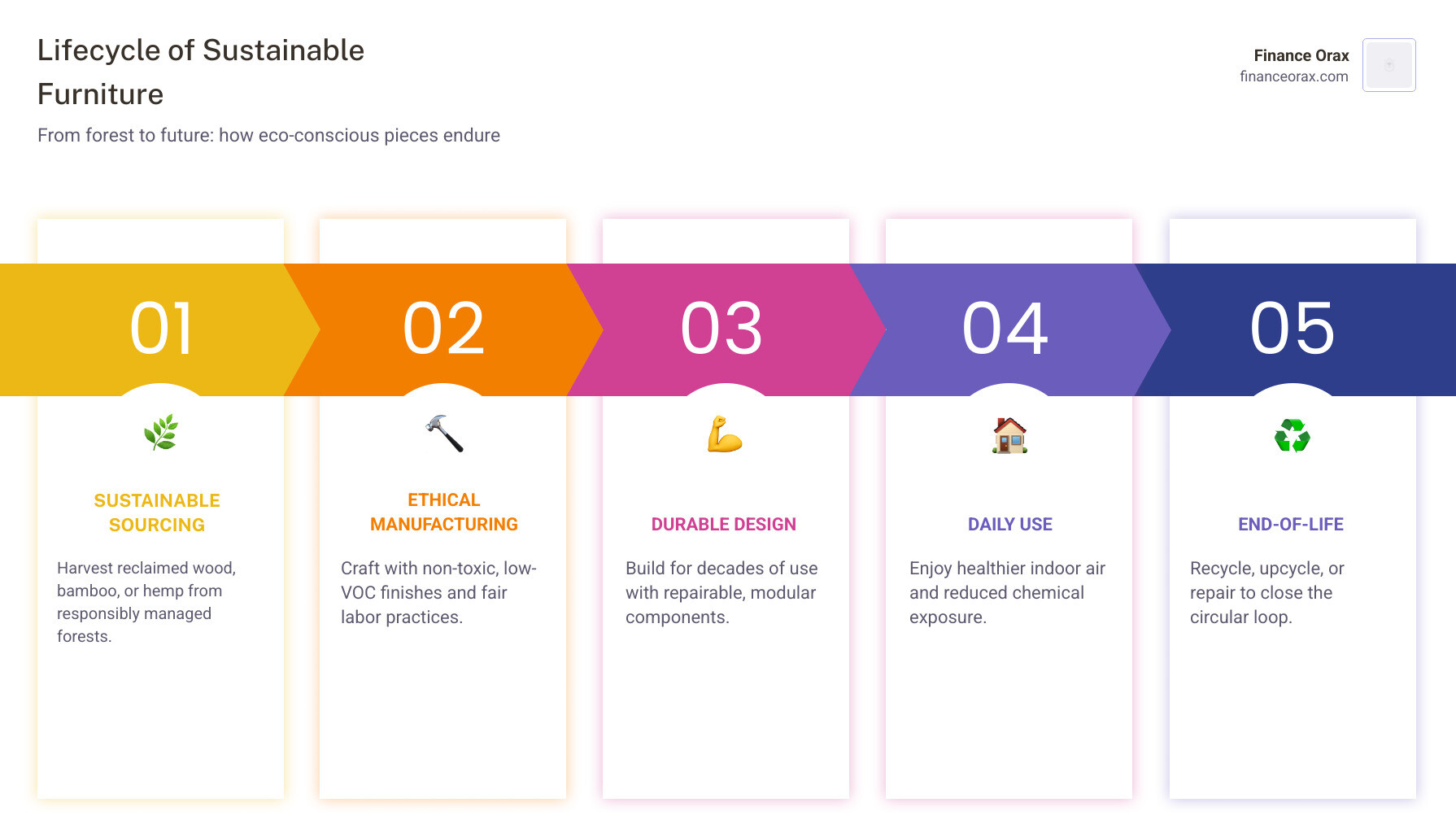
In 2026, the definition of eco-conscious furniture has evolved beyond just “using a recycled bottle.” It is now about the entire lifecycle of the piece. When we look at furniture through a holistic lens, we see that true sustainability is a combination of material safety, ethical labor, and long-term durability.
The Problem with “Fast Furniture”
We’ve all seen it: the $40 desk that arrives in a flat box, smells like a chemical factory, and ends up on the curb within eighteen months because the particle board crumbled. This “fast furniture” model is a disaster for the environment. It promotes deforestation, relies on unfair trade practices with low wages, and fills our landfills with materials that won’t decompose for centuries.
Embracing the Circular Economy
The alternative is a circular economy approach. This means choosing pieces designed for a “closed-loop” system. In this model, furniture is built to be repaired, not replaced. If a leg breaks on your desk, you should be able to order a replacement part rather than buying a whole new unit. If your office chair’s upholstery wears out, a sustainable brand will offer a new slipcover or replacement cushion.
Heirloom Quality vs. Disposable
Investing in heirloom-quality furniture is one of the most effective ways to be sustainable. A solid wood desk might have a higher upfront cost, but when you consider it can last for 50 to 100 years, the “cost per year” is significantly lower than buying five cheap desks over the same period.
| Feature | Disposable Furniture | Heirloom/Eco-Conscious Furniture |
|---|---|---|
| Primary Material | Particle board / MDF / Plastic | Solid wood / Reclaimed timber / Metal |
| Lifespan | 2–5 years | 25–100+ years |
| Air Quality | High VOCs / Off-gassing | Low or Zero VOCs |
| Repairability | Non-existent | High (Modular parts/Refinishable) |
| End of Life | Landfill | Recyclable / Biodegradable / Resellable |

Sustainable Materials and Non-Toxic Finishes
The “ingredients” of your furniture matter just as much as the ingredients in your food. When we choose eco-conscious furniture, we are looking for materials that are rapidly renewable, recycled, or diverted from waste streams.
Sustainable Woods and Grasses
- Reclaimed Wood: This is wood salvaged from old barns, factories, or even wine barrels. It gives a second life to high-quality timber and adds a unique, rustic character to your office.
- Bamboo: Technically a grass, bamboo grows incredibly fast without the need for pesticides. It is strong, durable, and perfect for desk surfaces.
- Cork: Harvested from the bark of cork oak trees without harming the tree itself, cork is a carbon-sequestering superstar. It’s also naturally antimicrobial—great for office accessories.
Innovative Fabrics and Fillings
We are seeing a massive shift in upholstery. Brands like Sabai Design are leading the way by using fabrics like recycled velvet and upcycled polyester made from water bottles.
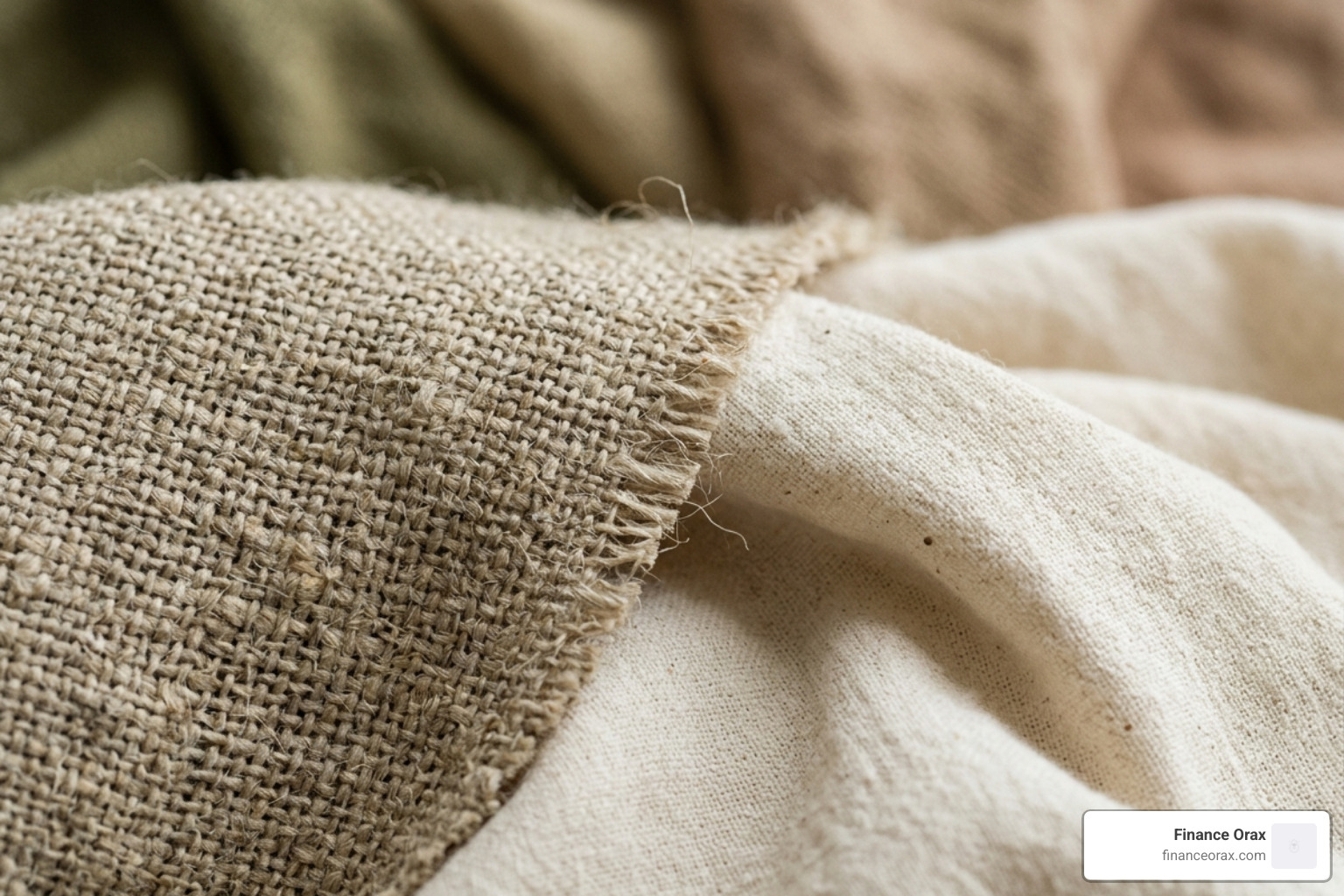
- Hemp and Linen: These natural fibers are breathable and require far less water to produce than conventional cotton.
- Recycled Velvet: Soft, durable, and often made from 100% recycled PET.
- Natural Fillings: Instead of petroleum-based foams, look for rubberized coconut fiber, organic latex, or responsibly sourced down.
The Danger of Flame Retardants and VOCs
Many conventional sofas and chairs are treated with chemical flame retardants. Research has linked these chemicals to cancer, reproductive issues, and neurological disorders. While they were once legally required, they are no longer necessary for safety in many regions, yet some manufacturers still use them.
Furthermore, Volatile Organic Compounds (VOCs) found in glues and finishes can “off-gas” into your home office for years. Choosing non-toxic, plant-based dyes and water-based finishes ensures that the air you breathe while working remains clean.
Certifications and Ethical Sourcing Standards
With so much “greenwashing” in the industry, how do we know if a brand is actually doing the work? We look for the labels. Certifications provide third-party verification that a product meets specific environmental or social standards.
Key Certifications to Watch For:
- FSC (Forest Stewardship Council): This is the gold standard for wood. It ensures the lumber comes from responsibly managed forests that provide environmental, social, and economic benefits. It guarantees tree regeneration and biodiversity conservation.
- GREENGUARD Gold: This certification focuses on indoor air quality. If a piece of furniture is GREENGUARD Gold certified, it has been tested for over 10,000 chemicals and meets strict emission levels.
- Cradle to Cradle: This evaluates a product across five categories: material health, product circularity, clean air and climate protection, water and soil stewardship, and social fairness.
- GOTS (Global Organic Textile Standard): For upholstered items, this ensures the fabric is at least 95% organic and produced under strict environmental and social criteria.
- Fair Trade: This ensures that the artisans and factory workers who made your furniture were paid fair wages and worked in safe conditions.
The Environmental Impact of Local and Modular Design
Where your furniture is made is just as important as what it’s made of. Buying local or American-made furniture offers a massive environmental advantage.
The Benefits of USA-Made Furniture
When furniture is manufactured in the United States, it doesn’t have to travel across an ocean on a carbon-heavy container ship. Brands like Vermont Woods Studios highlight that U.S. forests actually have strong environmental protections and are currently increasing in size and density. Supporting domestic manufacturing means shorter supply chains, stricter labor oversight, and a lower overall carbon footprint.
Modular and Repairable Designs
The “Repair. Don’t Replace” movement is changing how we buy furniture. Modular designs, such as the By Mölle modular natural sofa, allow you to adapt your furniture as your life changes.
- Expansion Kits: If you move from a small apartment to a larger home, you can buy an expansion kit to turn your loveseat into a full sofa or sectional.
- Repairability: Brands like Sabai offer individual replacement parts. If your cat decides your chair leg is a scratching post, you can replace just that leg instead of the whole chair.
- Buyback Programs: Some companies now offer “Revive” programs where they help you resell your used furniture to a new home, keeping it out of the landfill and giving it a second life.
For those looking for functional office-to-guest-room solutions, pieces like The Eclipse Sleeper Chair in Recycled Velvet show that you don’t have to sacrifice style for multi-purpose utility. You can even customize your setup with an Eclipse Seating Platform or a larger Elevate 96″ Sofa in Upcycled Poly if you have a larger space to fill.
Frequently Asked Questions
Why avoid flame retardants in eco-conscious furniture?
Flame retardants are often “forever chemicals” that migrate out of furniture foam and into house dust, which we then inhale or ingest. They are associated with significant health risks, including cancer and developmental disorders. Eco-conscious furniture brands avoid these by using naturally fire-resistant materials like wool or by using chemical-free foams that meet safety standards through smart design rather than toxic additives.
How does modularity reduce waste in eco-conscious furniture?
Modularity prevents the “all-or-nothing” disposal of furniture. In a traditional setup, if one part of a sofa frame cracks, the whole thing is often trashed. With modular designs, components are easily disassembled and replaced. This adaptability extends the product’s life by decades, significantly reducing the amount of waste sent to landfills.
Is American-made furniture better for the environment?
Generally, yes. Beyond the reduction in shipping emissions, the U.S. has some of the world’s strictest logging regulations. Because our forests are managed for long-term health, they are actually increasing in density. Buying American-made also supports local economies and ensures that the people crafting your furniture are protected by fair labor laws.
Conclusion
Creating a workspace that reflects your values doesn’t have to be a daunting task. By prioritizing eco-conscious furniture, you aren’t just buying a desk or a chair; you are investing in your own health and the health of the planet.
At Finance Orax, we believe that a better daily routine starts with the environment you build around yourself. Choosing pieces that are non-toxic, durable, and ethically sourced creates a foundation of wellness that supports everything else you do. Whether it’s a small accent table or a full modular office setup, every sustainable choice is a step toward a more holistic, intentional lifestyle.
